




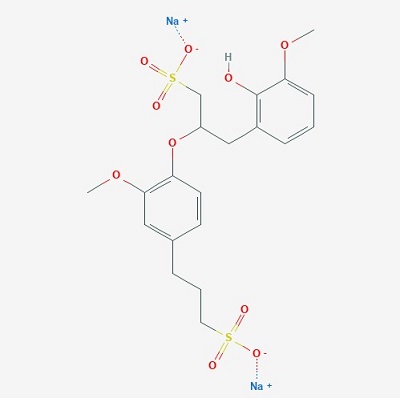
Chemical Names:
Sodium lignosulfonate
Molecular Formula:
C20H24Na2O10S2
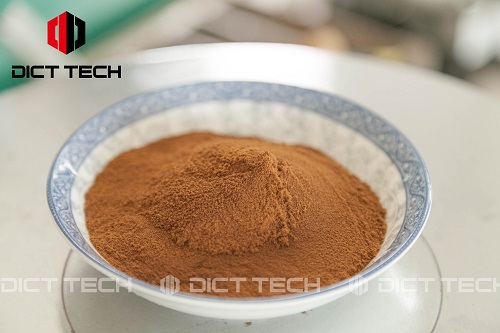
Color:
Brown powder
Usage:
1、It is mainly used as cement water-reducing agent, leading to the diffusion of group of cement so that the water content is precipitated out, increasing its mobility, thereby reducing the mixing water, and saving cement. When being used in the formulation of the oil drilling pulp, it can be used to reduce mud viscosity and shear force to control the mobility of drilling mud. In this case, the inorganic mud and inorganic salt impurities remain in the suspension state in the drilling, preventing the mud flocculation. It also has prominent salt resistance, anti-calcium and high temperature resistance.
2、It can also be used as concrete water-reducing agent, oil drilling mud dispersant, printing and dyeing and so on
Applied in Ceramics Industry:
lignosulfonates could work as a binder of powder and granular materials: for iron ore powder, lead and zinc powder, pulverized coal, coke Toner pressure on the ball; extrusion of cast iron, cast steel sand repression; mud-brick wall and floor tiles molding; mineral aggregate into a ball and provides high strength, good stability, lubrication and mold good results.
Binder for ceramics, dispersing agent for pigments and in water treatment, stabilizer for wax and O/W emulsions, and tanning agent.
Advantage as Water Reducer:
1.Low dosage, low air content, high compatibility with cement, no sediment when compounded with naphthalene-based superplasticizer
2.Water reducing rate over 14%.
3.Greatly enhanced the workability of concrete.
4.Greatly reduce the hydrating heat during initial stage of cement hydration.
5.No concrete salts content,no corrosion to rebar.
6 No alkali active substance
Package and delivery:
In powder form the admixture is packed in polypropylene or paper sacks with polyethylene insert of 25-40 kg or big-bags 650 kg and delivered by means of auto transport, railway cars and marine containers.